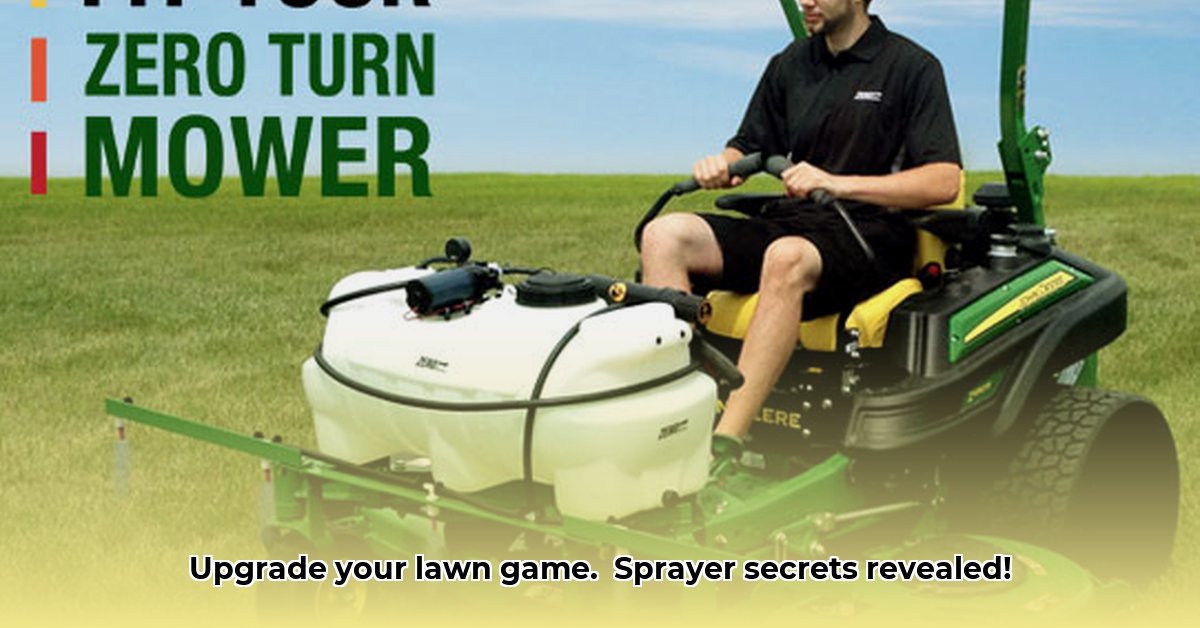
Sprayers for Lawn Tractors: A Guide to Sustainable Lawn Care
Maintaining a healthy, vibrant lawn doesn't require harsh chemicals or backbreaking labor. Lawn tractor sprayers offer a more efficient and environmentally conscious approach to lawn care, allowing for precise application of fertilizers, pesticides, and other treatments. This guide provides actionable steps to select, use, and maintain these vital tools for sustainable lawn care. For additional tractor attachments, check out this resource.
Choosing the Right Sprayer for Your Needs
Several sprayer types are compatible with lawn tractors, each offering unique advantages and disadvantages. The best choice depends on factors like lawn size, terrain, budget, and the specific treatments you'll apply.
Boom Sprayers: Ideal for large, open lawns, boom sprayers provide fast, even coverage. However, their size and lack of maneuverability make them less suitable for smaller yards or areas with obstacles. (Think of a long bar with multiple nozzles spraying across your lawn.)
Tank Sprayers: More affordable and versatile than boom sprayers, tank sprayers are easier to maneuver in tighter spaces and are well-suited for smaller lawns or spot treatments. Achieving perfectly even coverage might require more attention to detail compared to boom sprayers.
Handheld Sprayers (with Tractor Attachment): While not strictly tractor-mounted, some handheld sprayers can be adapted for tractor use, offering flexibility for detailed work or hard-to-reach areas. This requires more manual control and isn't fully automated.
Key Considerations When Choosing a Sprayer:
Tank Capacity: Larger tanks mean fewer refills, saving time, but might be unwieldy for smaller lawns. Consider your lawn's size and your physical capabilities.
Spray Pressure: Higher pressure generally yields better coverage and penetration, but excessive pressure can lead to spray drift (the unwanted dispersal of chemicals). A pressure gauge allows for precise control.
Nozzle Types: Different nozzles produce varying spray patterns. Broad patterns work well for fertilizers, while more focused patterns are better for spot treatments. Adjustable nozzles offer the greatest versatility.
Construction Materials: Durable materials like stainless steel withstand corrosion and extend the sprayer's lifespan, making it a more sustainable investment in the long run.
Additional Features: Features like agitation systems (to keep the liquid mixed), pressure gauges, and adjustable nozzles enhance the sprayer's efficacy and convenience.
"Selecting the right sprayer is crucial for efficient and environmentally conscious lawn care," says Dr. Emily Carter, Professor of Agricultural Engineering at State University. "Consider your specific needs and prioritize features that minimize waste and maximize precision."
Sustainable Lawn Care Practices with Tractor Sprayers
Using tractor-mounted sprayers correctly contributes to a more sustainable approach to lawn care in several ways:
Precision Application: Targeted spraying reduces chemical use and minimizes environmental impact by concentrating treatments only where needed.
Reduced Chemical Use: Fewer chemicals mean less runoff into waterways and reduced harm to beneficial soil organisms.
Water Conservation: Efficient sprayers, particularly those with reduced-drift nozzles, minimize water waste.
Labor Savings: Automation reduces labor, freeing up time and resources.
Did you know? A properly calibrated sprayer can reduce chemical use by up to 40%, significantly minimizing environmental impact.
Maintaining Your Sprayer: A Simple Guide
Regular maintenance is key to maximizing the sprayer's lifespan and ensuring effective application.
Cleaning: Clean the sprayer thoroughly after each use to prevent clogging and corrosion. Remove any residual chemicals carefully, following label instructions.
Inspection: Regularly inspect for leaks, worn parts, or signs of damage. Address these issues promptly to prevent costly repairs.
Calibration: Periodic calibration ensures accurate and consistent chemical application, avoiding waste and maximizing effectiveness.
Storage: Store the sprayer in a clean, dry place to protect it from the elements and extend its lifespan.
Choosing Sustainable Pesticides and Fertilizers
The choice of chemicals is just as important as the sprayer itself. Opt for environmentally friendly alternatives:
Biopesticides: These naturally derived pesticides offer effective pest control with minimal environmental impact.
Organic Fertilizers: Opt for organic fertilizers to support soil health and reduce reliance on synthetic chemicals.
"Integrating sustainable practices into your lawn care routine results in a healthier lawn and environment," notes Dr. John Miller, Extension Specialist in Turfgrass Management at the University of Agriculture. "Remember that proper chemical selection is crucial for sustainable outcomes."
Actionable Steps for Sustainable Lawn Care
- Assess your needs: Determine your lawn's size, terrain, and pest/weed issues.
- Choose your sprayer: Select a sprayer type that matches your needs and budget, prioritizing features that minimize drift and waste.
- Calibrate your sprayer: Ensure accurate chemical application for optimal efficiency and minimal environmental impact.
- Select sustainable products: Opt for biopesticides and organic fertilizers.
- Maintain your sprayer: Regularly inspect, clean, and calibrate your sprayer to extend its lifespan and maintain its effectiveness.
- Follow regulations: Always adhere to local and national regulations regarding pesticide use and disposal.
By following this guide, you can transform your lawn care routine into a more efficient and environmentally responsible practice, fostering a healthy lawn and a healthier planet.